EMDR Therapy in Bryn Mawr, Wallingford, Talleyville, and Across Pennsylvania and Delaware

Therapy for Childhood Trauma in Adults
Helping you work through what still lives in you
Do you feel like you're repeating your family's patterns?

Do things from earlier in your life show up randomly and throw off your day?
You’re going about your day, doing something completely ordinary. Then it happens. A comment. A look or tone of voice. Sometimes you don’t even know what it was.
Suddenly, you feel off.
Your mood changes in a way that doesn’t match what just happened. It lingers longer than it should. You can’t just move past it.
You find yourself replaying it, overthinking it, or getting pulled into something that feels familiar but hard to place. It feels bigger than the moment in front of you.
From the outside, your day keeps going. You keep functioning, responding, showing up. But inside, something doesn’t sit right.
And even when you understand where it’s coming from, it still finds a way in.
Do you often feel anxious or empty inside?
Sometimes your mind won’t slow down.
It jumps from one thing to the next. You try to relax, but it doesn’t last. There’s always something else to think about, something else to figure out, something pulling your attention.
And at the same time, something feels missing.
You don’t feel much. Conversations happen, plans come and go, but you don’t feel connected to any of it. You’re there, but not fully in it.
It starts to feel like this is just how you are. Anxious and flat at the same time. Going through the motions without feeling fully present in any of them.
Are you having a hard time in your relationships?
Connection feels like it should come more naturally than this.
You think about conversations long after they’re over. Going back over what was said, how it came across, what you should have done differently.
A comment, a pause, the way someone responds can change the whole tone. It sticks with you.
Sometimes you hold things in to keep the peace. Other times, you say something and wish you hadn’t.
You try to handle things differently, but it keeps playing out in ways you didn’t mean for it to.
You want your relationships to feel easier. Less tense, more natural.
But instead, there’s distance. Misunderstandings. Moments that stay with you longer than you want them to.
Even with people you care about, there's a part of you holding something back.
Do you feel disconnected from who you are, or unsure who that even is?
You don’t have a clear sense of what feels right for you.
You second-guess your decisions. What you want. What you need. It can shift depending on who you’re around or what’s expected of you.
You go along with things, then question it later. Or you pause, unsure what you actually feel in the moment.
It’s hard to tell what’s coming from you and what’s shaped by everything you’ve had to manage.
You’ve spent so much time getting through things, adjusting, holding everything together, that there hasn’t been much space to figure yourself out.
So when you try to answer simple questions about yourself, you come up blank. Or your answer doesn’t feel fully true.
And you’re left trying to figure yourself out, with no clear place to land.
What you’re experiencing makes sense.

What shaped you doesn't have to stay in charge. You didn't choose this, but you can change it.
What is Childhood Trauma in Adults?
Childhood trauma in adults refers to the lasting impact of early experiences that continue to affect how you feel, react, and move through your day-to-day life. It doesn’t just stay in the past.
Even when you understand where it comes from, that understanding doesn’t always change how it feels.
That’s because these patterns live in your mind and body, not just your thoughts. They developed earlier in life and can keep showing up long after those experiences are over.
How Can EMDR Therapy Help with Childhood Trauma?

EMDR therapy can help experiences from childhood feel less intense and have less of an impact on your life now.
Rather than focusing on talking about what happened, EMDR helps you work with what you experienced and what still comes up for you now. During EMDR, I guide you through bilateral stimulation, such as eye movements or alternating tapping, while we work with memories, emotions, thoughts, body sensations, or other parts of the experience.
You don’t have to go into detail about everything that happened. We can work with what you remember without having to tell the whole story.
As you work through what happened, it can start to feel further away. You might notice that things that used to really bother you don’t bother you as much anymore. When something does come up, it doesn’t have to feel like you’re right back there again.
Therapy for Childhood Trauma
Working through childhood trauma can change the way those experiences show up in your life now. Things that used to make your heart pound or send you spiraling can gradually have less of a hold on you.
That can look like:
Sleeping better
Fewer flashbacks
Being able to assert yourself and set boundaries (without the guilt!)
Feeling connected to yourself and the people you care about
Having a hard moment without it ruining your day
Living in the present, not the past
Virtual EMDR Therapy in Pennsylvania and Delaware
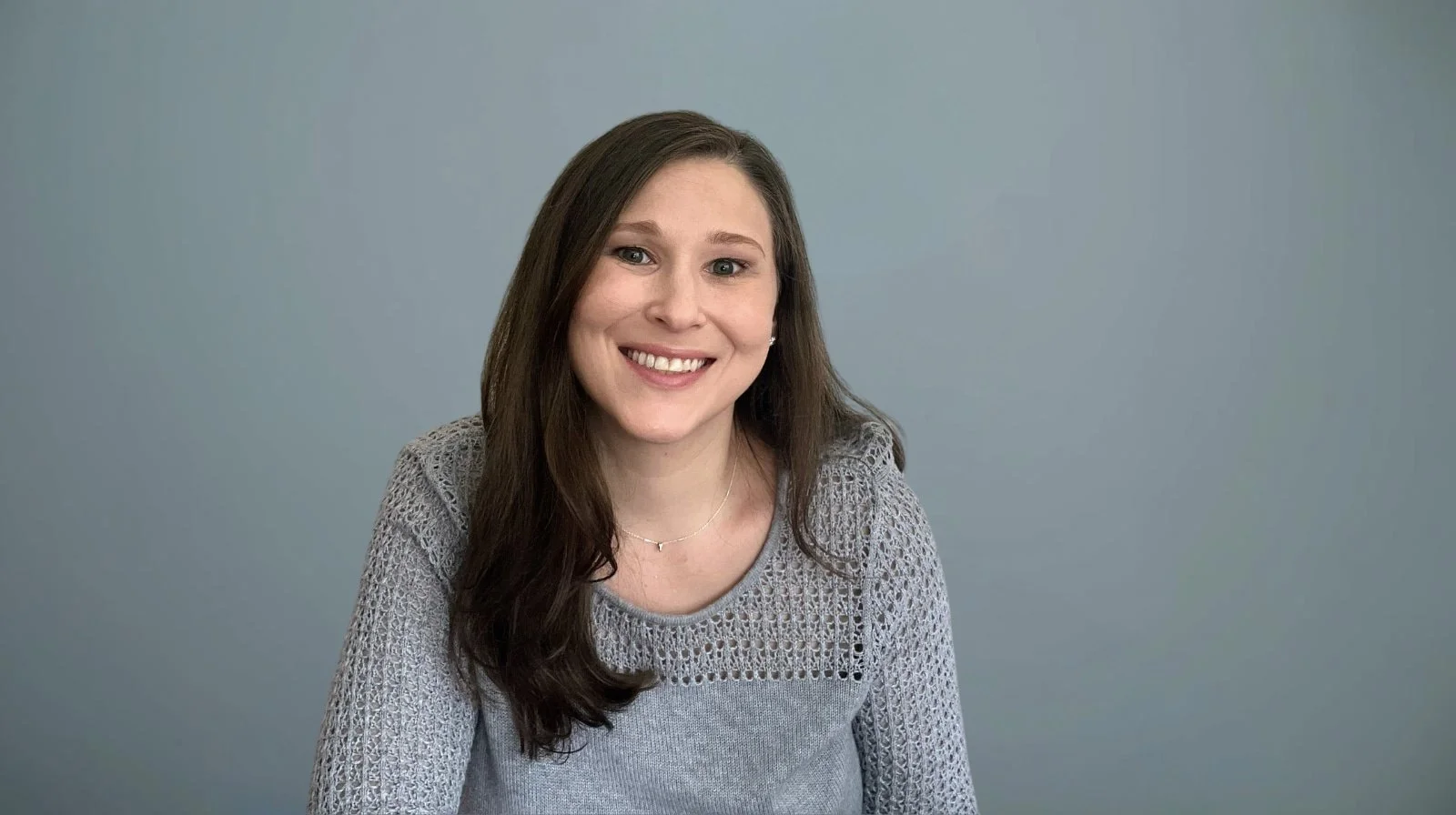
I’m Sarah Sternlieb, an EMDR therapist who specializes in working with adults affected by childhood trauma throughout Pennsylvania and Delaware.
Therapy focuses on helping you make sense of what’s happening now, understand how your childhood fits into it, and work through the experiences that are still affecting you, so they gradually stop running in the background of your life.
Getting Started
-

We Connect
First, schedule a free phone consultation by clicking “Schedule a Free Consultation” to see if it feels like a good fit. In our early sessions, I’ll get to know you as a person: your story, strengths, struggles, and what truly matters to you.
-

We Develop a Plan
We talk about what’s bringing you to therapy, what you’d like to be different, and where it would be most helpful to start.
-

We Work Together
From there, therapy is tailored to you and what’s coming up along the way. We check in regularly and adjust as needed.
Childhood Trauma FAQs

-
Childhood trauma may still be affecting you when something happening now brings you right back to how you felt growing up, even though you know you’re not in that situation anymore.
Your mind might keep replaying something, or thoughts or memories about what happened might pop into your head. You might have flashbacks where it feels like something is happening all over again.
You might have trouble sleeping or wake up from nightmares. Your heart might race, your muscles might tense up, or you might feel numb or disconnected. It can be hard to fully relax.
You might feel broken inside and have a hard time trusting people or yourself. You might overthink conversations afterward, worry about how you came across, or push people away when they get too close.
-
Yes, and this is one of the most common ways childhood trauma can show up in adulthood.
You might have a hard time saying no or feel guilty when you do. You may spend a lot of time worrying about whether someone is upset with you, trying to keep everyone happy, or feeling responsible for other people’s feelings.
Conflict can feel especially hard. You might avoid bringing something up because you’re afraid of how the other person will react, need a lot of reassurance that everything is okay, or stay in relationships even when you know something isn’t working.
You may also have a hard time figuring out what you want or need. Sometimes it feels easier to know what everyone else wants than to know what you want.
-
Yes. Childhood trauma can contribute to both anxiety and depression.
Anxiety might look like constantly worrying, expecting something to go wrong, having a hard time relaxing, or lying awake at night because your mind won’t shut off.
Depression might look like feeling heavy, exhausted, numb, or disconnected from things and people you normally care about. You may have a hard time getting yourself to do things, or nothing really feels enjoyable anymore.
-
Absolutely not. Childhood trauma can come from many different experiences, including things that happened to you, things you witnessed, or things you needed but didn’t consistently receive.
It can include growing up in a home where you didn’t feel safe or supported, being bullied, living with a chronic illness, losing your home, being in an accident, or suddenly losing someone important to you.
-
Something happening now can remind your brain and body of what happened before. After trauma, your mind and nervous system can get stuck responding as though what happened is still happening, even when you know it’s over.
That can show up in different ways. You might have nightmares, flashbacks, or panic attacks, physical symptoms like GI problems, or be hyperaware of your surroundings and constantly watching what’s going on around you.
-
No. Childhood trauma can be worked through in adulthood.
Things that have affected you for years can change. Memories can become less intense, situations that used to overwhelm you can become easier to handle, and the past can have less of an impact on your life now.
-
It may be time to consider therapy when you’re tired of what happened in childhood having this much of an impact on your life now.
Maybe you want the nightmares to stop. Maybe you’re ready to break the cycle. Or maybe you’re tired of your childhood having such a strong hold on your adulthood.
You don’t need to know exactly what you want to work on or where to start. A therapist can help you figure that out.
If you’re recognizing yourself in any of this, you don’t have to keep trying to figure it out alone. EMDR therapy can help you work through what happened in childhood and how it’s affecting your life now.
I provide therapy for childhood trauma to adults in Bryn Mawr, Wallingford, Talleyville, and throughout Pennsylvania and Delaware. I invite you to schedule a free 20-minute consultation to see whether working together feels like the right fit.