
Trauma therapy for adults in Bryn Mawr/Main Line and across PA & DE

Therapy for Adults Living with Chronic Trauma
What happened matters. What comes next does too.
Has sleep been hard for longer than you can remember?
Do you have nightmares or trouble sleeping?

You wake up with your heart racing, head throbbing, shaking. There's a gnawing pain in your stomach. You're sweating.
Sometimes you wake up screaming. Sometimes you don't even remember why.
Your mind won't shut off. Even when your body is exhausted, sleep doesn't come easy. When it does, it doesn't last.
You’re awake all night. Lying there, trying to calm down enough to drift off again. You can't remember the last time you actually slept through the night.
Some nights you're so scared you shake in bed. You’re not sure if what you saw was real or a dream. It takes time to orient yourself, to remember where you are.
There's no real sleep anymore. Just stretches of time where you're somewhere between awake and asleep. You’re never fully rested.
You're tired. Not just physically drained, but worn down. The thought of going to bed again tomorrow night is hard to face.
Do flashbacks feel like they're happening all over again?
A smell. A sound. Suddenly you're back in it.
The flashbacks are so vivid they almost distort what's actually real. You can't tell where the past ends and the present begins.
You can't get it out of your mind. Your heart beats fast. You're overthinking, replaying it, going through the same feelings and emotions all over again.
The flashbacks keep happening. You shake. You're cold and sweating at the same time.
You feel sick to your stomach. Every memory plays over and over, so clear it stops you in your tracks.
Certain details stick with you. Eyes, faces, and moments that won't fade.
You're reliving it, not just remembering. Each time it comes back, it feels just as real.
Are you constantly scanning for danger?
You're always thinking about what's going to happen next. Constantly on edge, just waiting for it.
Being in public feels different now. You second guess every person who walks towards you. Who stands behind you in line. Who reaches over your shoulder to grab something off a shelf.
You look around and assess if it's going to happen again. You constantly look over your shoulder, bracing for what might happen next. You're careful about where you go, who you're with, what time of day it is.
Everything feels like a potential threat. Your body doesn't know how to relax anymore.
You're always tense. Always on guard. It's exhausting to live this way, but you don't know how to turn it off.
Have you stopped doing things you used to enjoy?
Leaving the house feels impossible. Talking to anyone feels like too much.
You find reasons to stay home like feeling tired or not being in the mood. But really, staying home feels safer.
You stay to yourself instead of socializing. You try to isolate yourself because there are too many triggers out there. People, places, things. Everything feels terrifying right now.
Even necessary things like going to the grocery store send you into panic attacks. You plan your days around what you can handle. Certain streets, certain stores, certain times of day are off limits.
You don't feel much of anything anymore. You're numb. Shut down. Not present.
You can't even cry. When something upsetting happens, you're calm. You feel nothing at all.
Life feels smaller than it used to. Whether you're avoiding everything or feeling nothing, it's affecting the life you want to live.
Living with chronic trauma is heavy. You've been carrying this for so long, it might feel like it's just part of who you are now.

It doesn't have to stay this way.
Therapy for Chronic Trauma
I use evidence-based and body-centered approaches like EMDR, Trauma-Focused Cognitive Behavioral Therapy (TF-CBT), and Somatic Experiencing to help clients heal from prolonged trauma like childhood abuse, neglect, or domestic violence. Together, we rewire the brain, help you feel safe and calm, and build the tools you need to navigate your life with more ease.
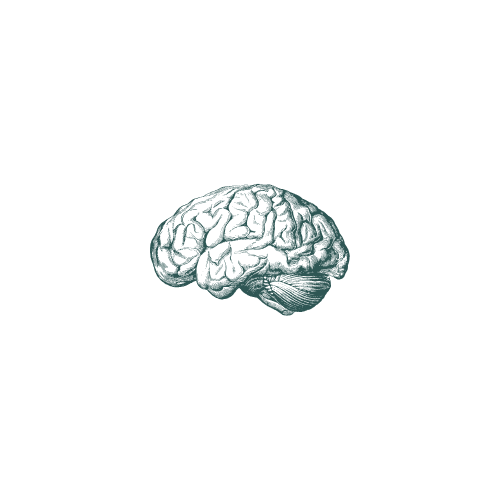
Types of Therapy
Uses gentle side to side movements (called bilateral stimulation) to help the brain file away painful memories so they feel less intense and less present in daily life.

TF-CBT
Helps shift unhelpful thought patterns formed after trauma and build practical coping tools.

Helps you tune into physical sensations and body cues that may be holding onto trauma, so your body can begin to relax and reset.
Somatic Therapy

Mindfulness
Teaches you how to pay attention to the present moment with more curiosity and less judgment, which can calm your body and quiet your thoughts.
How It Works
-

We Connect
First, schedule a free phone consultation by clicking “Schedule a 15-Min. Consultation” to see if it feels like a good fit. In our early sessions, I’ll get to know you as a person: your story, strengths, struggles, and what truly matters to you.
-

We Develop a Plan
We’ll talk about what you want from therapy and come up with a clear plan for how to get there, together.
-

We Work Together
We’ll check in regularly to see what’s helping and adjust along the way to keep you moving toward the life you want.
Chronic Trauma FAQs

-
Chronic trauma happens when you experience repeated, prolonged exposure to harmful or overwhelming situations. Things like ongoing childhood abuse, neglect, or living in a violent household. Unlike single-incident trauma (like a car accident or assault), chronic trauma builds up over time.
PTSD can develop from both single incidents and chronic trauma. The symptoms often look similar: nightmares, flashbacks, hypervigilance, avoidance, emotional numbing. But with chronic trauma, these patterns may feel more deeply rooted because they developed over months or years, not from one event.
Only a licensed mental health professional or medical professional can diagnose PTSD or other trauma-related conditions. If what you're reading here sounds familiar, it's worth reaching out to someone who can help you understand what you're experiencing.
-
Your brain and body are doing what they learned to do to keep you safe. When trauma happens over and over, your nervous system gets stuck in survival mode. It's like an alarm system that never turns off.
Your body learned that danger could come at any time, so it stays ready. That's why you might feel on edge, have trouble sleeping, or react strongly to things that remind you of the past. Your brain is trying to protect you, even when the danger is no longer there.
These reactions aren't your fault. They're not a sign of weakness. They're a sign that your body is still trying to protect you from something that happened a long time ago.
-
It can be hard to tell, especially because chronic trauma often overlaps with anxiety, depression, and other mental health struggles. Sometimes trauma is the root cause. Sometimes it makes existing issues worse. Sometimes both are happening at the same time.
The best way to know is to talk with a licensed mental health professional who specializes in trauma. They can help you understand what you're experiencing and where it's coming from. That clarity can make a big difference in getting the right kind of help.
-
Not all therapy is the same. Traditional talk therapy can be helpful for many things, but it's often not enough for trauma. Trauma lives in the body and the nervous system, not just in your thoughts.
I specialize in trauma, which means I use evidence-based approaches designed specifically to address how trauma affects your brain and body. EMDR, IFS, Somatic Experiencing, and mindfulness aren't about just talking through what happened. They help rewire your brain, calm your nervous system, and give you tools to manage symptoms in real time.
If past therapy felt like it wasn't going deep enough or didn't give you relief, that doesn't mean therapy can't help. It might mean you need a different approach.
-
PTSD often overlaps with anxiety, depression, substance use problems, and many other mental health struggles. In some cases, trauma makes existing struggles feel more intense or harder to manage. In other cases, PTSD is the root issue. That’s why treating the trauma itself can often bring relief across multiple areas of mental health.