
When Grief Feels Different: Understanding Traumatic Grief
Friday’s finally here and 76 at rush hour is a parking lot as usual. You cue up a podcast and let the voices fill the car while you wait.
Suddenly, you hear a siren in the distance. Your stomach drops. The blaring noise grows louder and sharper, and soon it’s rushing right by you.
Panic, overwhelm, and heartache move through you in a wave. For a moment, it isn’t Friday on 76. You’re right back there again.
If you’re reading this, chances are you’ve experienced a loss and you’re wondering if what you’re feeling is grief, or something else on top of it. Grief shows up in so many different forms, and it’s hard to tell what’s a normal part of healing and what might need extra support.
What Grief Actually Is
Grief is how you think and feel after you lose someone or something important. It could be a person, a relationship, or even a role you used to fill. Here, we’re mostly talking about losing a person or a pet.
A lot of people say things like, “I can’t believe they’re gone,” or spend time wondering what life is going to look like now. That’s grief settling into your thoughts and heart.
But grief also lives in your body. Your sleep changes, your focus slips, your appetite swings all over the place. Just getting through the day can feel draining.
For most people, grief slowly changes shape over time, even though it never fully disappears.
Then there’s what people can actually see. That’s mourning.
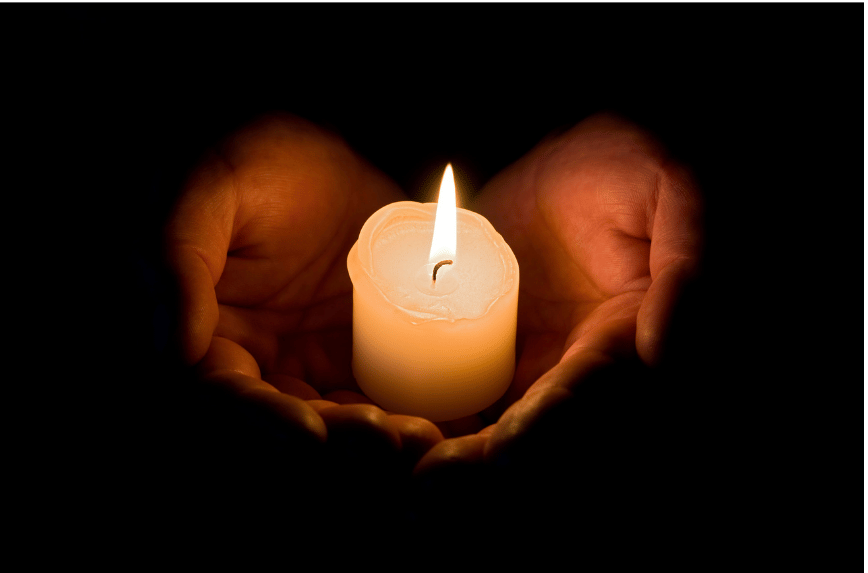
Grief and mourning aren’t the same thing. Grief is the inside part - all those private thoughts and feelings. Mourning is how you show it on the outside. The tears, the stories you tell, the memorial you plan, visiting a special spot, or lighting a candle at night.
Different Kinds of Grief You Might Recognize
Grief can look really different depending on how the loss happened and what’s going on around it. Here are some of the ways it shows up:
Sudden or unexpected grief happens when the loss came out of nowhere. Shock is common, and reminders can feel like a jolt.
Expected grief is when you knew the loss was coming. Even when you’ve had time to prepare, the day it actually happens can still take the wind out of you.
Anticipatory grief starts during someone’s illness or decline. You’re grieving while they’re still here. Love, worry, and exhaustion usually sit together.
Disenfranchised grief is when the loss isn’t really recognized by the people around you. Like losing an ex, a miscarriage, a pet, or someone you loved in private. It still counts, even if people don’t get it.
Ambiguous loss means there’s no clear ending or answer. Maybe it’s estrangement, dementia, or someone who’s missing. Your brain keeps searching for closure that isn’t there.
Cumulative grief happens when losses stack up close together. You start bracing for the next one, and you feel completely drained.
Delayed or quiet grief is when you held it together at first, but the feelings show up later. This is especially common after overwhelming or traumatic loss.
Prolonged or complicated grief (PGD) is when intense yearning does not ease and life continues to feel on hold. The longing itself often becomes the most overwhelming part of the experience.
The “Stages of Grief” (And Why They Don’t Really Work)
You’ve probably heard the list: denial, anger, bargaining, depression, acceptance. Those stages were based on observations of people facing their own terminal illness, not on how loved ones grieve after a loss. Some people recognize parts of themselves in that framework, but many do not, and that doesn’t mean they’re grieving the wrong way.
Grief doesn’t follow a straight line, it moves in waves. Some days feel softer. Other days feel heavier and harder to carry.
You might know the facts of what happened and still find yourself in tears when a certain song plays.
Even when your mind understands what happened, your heart can still ache when a song, scent, or memory catches you off guard.
Anniversaries and reminders can change the tide all over again. That doesn’t mean you’re failing at grief. It means you’re human.
What’s Traumatic Grief?
Traumatic grief is grief layered with trauma and often a type of acute trauma. It happens when you’re grieving someone and your brain is still stuck in how you lost them. The shock, fear, or vivid memories of what happened get tangled up with the sadness and love.
These kinds of losses are often sudden, like an accident, suicide, or unexpected death. They happen so quickly that your brain and body don’t get the chance to fully process what’s going on.
You might feel the ache of missing them and also feel tense, numb, or constantly on edge. That mix is more common than people think, and it deserves support.
How Is Traumatic Grief Different?
With typical grief, the longing usually leads the way. You feel waves of missing, and over time, life slowly makes a little room around them.
With traumatic grief, your brain and body can stay stuck on how the loss happened, so there isn’t much space left to truly grieve.
You might get intrusive images that pop up out of nowhere. You startle at sounds. You avoid certain routes, dates, or places.
Sleep doesn’t feel restful. You might stay up to avoid the dark or wake up around 3 a.m. and struggle to fall back asleep. You might have vivid, distressing dreams.
These are trauma responses, and turning them down doesn’t erase your love. Your brain and body need to work through what happened and register that you’re in the present, so there’s room to grieve.
Signs You Might Be Experiencing Traumatic Grief
Feeling Stuck in Shock
Time feels strange. Some things are crystal clear, but most of it is a blur. Even when things are quiet, your body stays tense.
Memories or Reminders Take Over
You’re doing something normal, like walking the dog, and a scene rushes in out of nowhere. Your heart races, your throat tightens, and it feels like you’re back in it again.
Feeling jumpy or tense
A ringtone, a certain cologne, or a nearby argument affects your body hard. You feel on edge and scan your surroundings, even if nothing’s wrong.
Sleep doesn’t feel restful. You might stay up to avoid the dark or wake up in a panic around the same time each night.
Thoughts like “I should’ve done something” or “This was my fault” won’t stop, even when you know it’s not that simple.
You avoid certain people, places, or topics because they feel too intense. Or you feel distant from yourself, like you’re going through the motions.
Anniversary reactions
Certain times of year feel heavier. Even if you aren’t thinking about it consciously, your body remembers what happened around then.
Why Traumatic Grief Gets Overlooked
A lot of people don’t realize they’re struggling with traumatic grief. They think they’re just grieving “wrong” or taking too long to “move on.”
Part of the problem is that people around you might not get it either. They see you’re sad, so they think it’s regular grief. They don’t see the panic that wakes you up at 3 AM or the way your body tenses when you drive past certain intersections.
You might hear things like “At least you got to say goodbye” or “They’re in a better place now.” People mean well, but those comments can make you feel like you’re overreacting. Like the alarm bells going off in your body aren’t valid.
Traumatic grief can look different from what people expect grief to look like. You might not cry much at all. You might throw yourself into work or stay constantly busy. From the outside, you look like you’re handling it. Inside, you’re just trying to outrun the images and the feelings.
Sometimes you don’t even connect the dots yourself. You know you’re anxious and not sleeping well, but you don’t link it back to the loss. It just feels like your body turned against you for no reason.
Then there’s shame. You might feel guilty for being traumatized by a loss. Like you should just be sad, not scared. Like focusing on your own reaction somehow dishonors the person you lost.
The truth is, your nervous system got stuck in protection mode because of how the loss happened. That’s not something you can just think your way out of.
What Helps With Traumatic Grief
Traumatic grief can feel unbearable at times. You don’t have to white-knuckle your way through this alone.
Turning down the alarm first
Before you can truly grieve, your body often needs to feel safer. That often means tending to the physical signs like tension, mental replays, disrupted sleep, or a sense of constant alertness, alongside the sadness.
You don’t have to tell every detail of what happened for therapy to help.
Approaches like EMDR therapy can help your brain process the traumatic parts of the loss so they feel less intense. You don’t have to relive everything in detail. An EMDR therapist helps your brain file the memory differently so it stops showing up like it’s happening right now.
Trauma-Focused CBT (TF-CBT) helps you work through the thoughts and beliefs that got tangled up with the loss. Things like “I should have known” or “I could have stopped it.” These thoughts can keep you stuck, and TF-CBT gives you tools to challenge them and find more realistic ways of thinking about what happened.
Somatic approaches help you work with what’s happening in your body - the tight shoulders, the clenched jaw, the racing heart. Your body is holding onto the trauma, and helping it release that tension can make a huge difference in how you feel day to day.
Making space for the grief itself
Once your nervous system isn’t spending all its energy on high alert, there’s usually more room to actually grieve. To miss your person and sit with the sadness and the love and the loss.
This part can’t be rushed. It doesn’t look the same for everyone. Some people need to talk about their person. Some people need rituals or creative outlets. Some people need quiet time to just sit with what they’re feeling.
Building support around you
Grief is lonely enough without trauma layered on top. Finding people who get it - whether that’s a therapist, a support group, or even one friend who doesn’t try to fix it - can make a real difference.
You don’t need a lot of people. Having someone who can sit with you in it without making you feel like you’re too much or taking too long can help you feel less alone in what you’re carrying.
Going at your pace
There’s no timeline for this. Some days you’ll feel like you’re making progress. Other days you’ll feel like you’re right back where you started. That’s normal. Healing isn’t linear, and that’s especially true with traumatic grief.
You get to decide how fast or slow this goes. You get to take breaks when you need them. You get to say “not today” and come back to it when you’re ready.
The goal isn’t to get over it or move on. It’s to live with your love and your loss in a way your mind can make sense of and your body can feel safe with.
TL;DR
Traumatic grief happens when loss and trauma are tangled together.
Unlike typical grief where longing leads the way, traumatic grief often starts with the alarm - intrusive images, nightmares, avoiding reminders, staying tense even when you’re safe.
Traumatic grief is a type of single-incident trauma. A sudden or shocking loss can flood your nervous system, and your brain can’t file away the memory. All of that gets tangled up with the grief.
Signs include feeling stuck in shock, intrusive memories, being jumpy or tense, sleep problems, guilt loops, avoidance, and anniversary reactions.
Traumatic grief often gets overlooked because it doesn’t look like “typical” grief. People might think you’re overreacting or taking too long, but your mind and body’s response makes sense given what happened.
What helps: EMDR therapy, Trauma-Focused CBT, and somatic approaches to address both the thoughts and the physical response. Once your mind and body feel safer, there’s more room to actually grieve. Support, going at your own pace, and working with a trauma-informed therapist can make a real difference. You don’t have to tell every detail of what happened for therapy to help.
If any of this sounds familiar, support is available.
Begin Healing With SJS Counseling Services
I offer trauma therapy for adults in Bryn Mawr/Main Line, and across Pennsylvania and Delaware. I specialize in compassionate, evidence-based therapy for adults working through traumatic grief and single-incident trauma. I offer:
Private, virtual therapy sessions designed to fit real life.
A gentle, holistic approach that focuses on the mind and the body.
EMDR, TF-CBT, and somatic therapy to help process both the trauma and the grief.
If you’d like to get started, schedule a free 20-minute consultation. We can talk about what you’ve been carrying, and whether trauma therapy feels like the right support.
FAQ about Traumatic Grief
-
Yes. Some people experience trauma symptoms like nightmares, feeling unsafe, or strong body reactions alongside grief symptoms like deep longing and sadness. You might replay parts of what happened and also feel like the danger is still close, even when you know you are safe. Sounds, dates, or small reminders can bring it all back quickly. If this is your experience, it does not mean you are “crazy.” It means your mind and body are still trying to protect you after a very painful loss.
-
There is no set timeline. For many people, the sharpest pain is in the first months, but feelings can rise and fall for a long time, especially around anniversaries or meaningful dates. “Complicated grief” and “prolonged grief disorder” are terms sometimes used when grief stays intense for a long period and makes daily life feel stuck. Traumatic grief can overlap, but it is often tied more to the shock and fear connected to how the loss happened. If life has felt on pause for many months, extra support may help.
-
Yes. There’s no right or wrong way to feel. Numbness can be your mind’s way of giving you a break from feelings that are too big all at once. Guilt often shows up as “What if…” or “I should have…” thoughts, even when you truly could not have stopped what happened. Anger may be aimed at yourself, other people, doctors, systems, or even the person who died. These reactions do not make you a bad person. They are common responses to something that did not feel fair or safe.
-
It may be time to reach out if grief is making it hard to get through most days. You might notice you cannot function at work or school the way you want to, you feel stuck in the moment of the loss, you avoid many places or reminders, or you feel numb and hopeless much of the time. If you are having thoughts of wanting to give up, wishing you were not here, or using alcohol or drugs to cope, that is also an important sign to seek support. A trauma-informed therapist can help you feel safer, process what happened at your pace, and find ways to carry both your love and your grief.
-
Traumatic grief can keep your system in protection mode for a long time. You might feel jumpy, tense, easily startled, or unable to fully relax. Sleep, focus, and memory can get harder because your mind and body are still scanning for danger. Some people feel grief in the body as headaches, stomach issues, tight muscles, or deep fatigue. With the right support, grounding skills, and caring connection, your nervous system can learn that the danger has passed, even though the loss still matters deeply.
Disclaimer: Although I am a licensed mental health therapist, I am not your therapist. The information shared in this post is for educational and informational purposes only and does not constitute therapy, medical advice, or the establishment of a therapeutic relationship. Reading this content does not replace working with a licensed professional who is familiar with your individual situation.
If you are experiencing a mental health emergency, please call or text 988, contact your local crisis response unit, or go to your nearest emergency department.
