

Virtual trauma therapy in Bryn Mawr and across P & DE
Therapy for Childhood Trauma in Adults
Helping you work through what still lives in you
Do you feel like you're repeating your family's patterns?

Do things from earlier in your life show up randomly and throw off your day?
You’re going about your day, doing something completely ordinary. Then it happens. A comment. A look or tone of voice. Sometimes you don’t even know what it was.
Suddenly, you feel off.
Your mood changes in a way that doesn’t match what just happened. It lingers longer than it should. You can’t just move past it.
You find yourself replaying it, overthinking it, or getting pulled into something that feels familiar but hard to place. It feels bigger than the moment in front of you.
From the outside, your day keeps going. You keep functioning, responding, showing up. But inside, something doesn’t sit right.
And even when you understand where it’s coming from, it still finds a way in.
Do you often feel anxious or empty inside?
Sometimes your mind won’t slow down.
It jumps from one thing to the next. You try to relax, but it doesn’t last. There’s always something else to think about, something else to figure out, something pulling your attention.
And at the same time, something feels missing.
You don’t feel much. Conversations happen, plans come and go, but you don’t feel connected to any of it. You’re there, but not fully in it.
It starts to feel like this is just how you are. Anxious and flat at the same time. Going through the motions without feeling fully present in any of them.
Are you having a hard time in your relationships?
Connection feels like it should come more naturally than this.
You think about conversations long after they’re over. Going back over what was said, how it came across, what you should have done differently.
A comment, a pause, the way someone responds can change the whole tone. It sticks with you.
Sometimes you hold things in to keep the peace. Other times, you say something and wish you hadn’t.
You try to handle things differently, but it keeps playing out in ways you didn’t mean for it to.
You want your relationships to feel easier. Less tense, more natural.
But instead, there’s distance. Misunderstandings. Moments that stay with you longer than you want them to.
Even with people you care about, there's a part of you holding something back.
Do you feel disconnected from who you are, or unsure who that even is?
You don’t have a clear sense of what feels right for you.
You second-guess your decisions. What you want. What you need. It can shift depending on who you’re around or what’s expected of you.
You go along with things, then question it later. Or you pause, unsure what you actually feel in the moment.
It’s hard to tell what’s coming from you and what’s shaped by everything you’ve had to manage.
You’ve spent so much time getting through things, adjusting, holding everything together, that there hasn’t been much space to figure yourself out.
So when you try to answer simple questions about yourself, you come up blank. Or your answer doesn’t feel fully true.
And you’re left trying to figure yourself out, with no clear place to land.
What you’re experiencing makes sense.

What shaped you doesn't have to stay in charge. You didn't choose this, but you can change it.
What is Childhood Trauma in Adults?
Childhood trauma in adults refers to experiences from earlier in life that your mind and body didn’t get the chance to fully process at the time.
Instead of being stored as something that’s over, those experiences can stay active. They show up in how you respond to stress, how you relate to others, and how you see yourself.
This is why something happening today can feel much bigger than the situation itself, or why certain patterns keep repeating even when you understand them.

How Can EMDR Therapy Help with Childhood Trauma?
EMDR therapy helps your brain and body process EMDR helps your brain and body process experiences that didn’t get fully worked through at the time.
Instead of just talking about what happened, EMDR focuses on how those experiences are stored and how they’re still showing up now. Through side to side movements (called bilateral stimulation), your brain is able to rework those memories so they no longer feel as intense or immediate.
You don’t have to go into detail about everything that happened. The focus is on helping your system recognize that the experience is over, so it stops responding as if it’s still happening.
Over time, people often notice they feel less reactive, more present, and more able to move through situations that used to feel overwhelming.
Therapy for Childhood Trauma
I specialize in helping adults heal from childhood trauma that is still affecting how you feel, react, and show up in your life. I provide virtual trauma therapy to adults in Bryn Mawr and across Pennsylvania and Delaware, using approaches like EMDR and other brain-based, evidence-informed therapies.
This work focuses on helping you process what you’ve been carrying and understand how it’s still shaping you now.
Healing from childhood trauma looks different for everyone, but it often means:
Not getting pulled into old reactions as easily
Things not taking over the way they used to
Patterns in your relationships starting to shift
Moving through your day without getting thrown off as quickly
Feeling more present, not caught between the past and what’s happening now
Having a clearer sense of yourself and what feels right for you
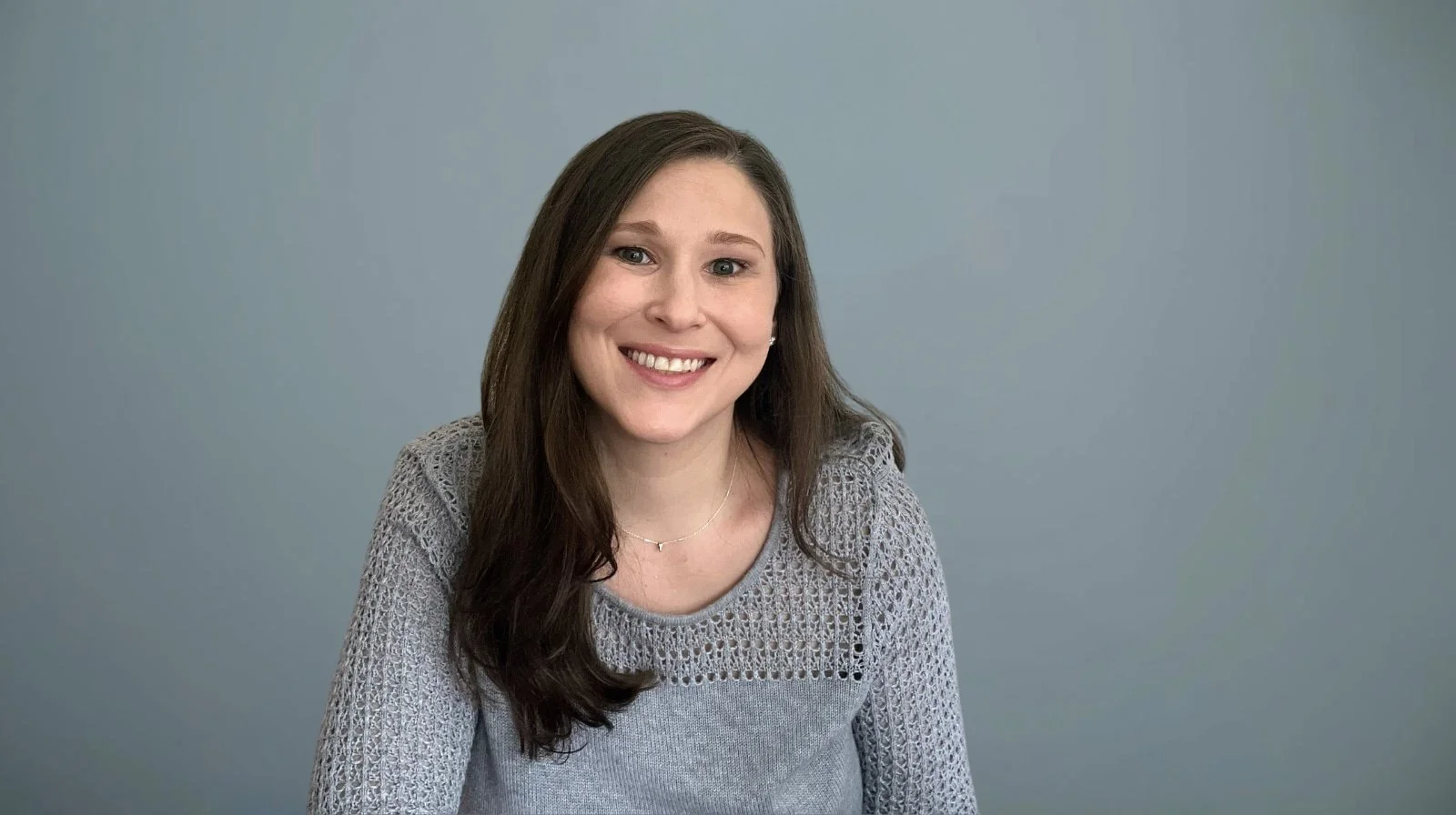
Virtual EMDR Therapy in Pennsylvania and Delaware (Including Bryn Mawr)
I’m Sarah Sternlieb, LPC, and I provide virtual EMDR therapy for adults in Bryn Mawr and across Pennsylvania and Delaware. Virtual sessions allow you to do this work from your own space, which can make it easier to feel comfortable and supported as you begin to process deeper experiences.
How It Works
-

We Connect
First, schedule a free phone consultation by clicking “Schedule a 15-Min. Consultation” to see if it feels like a good fit. In our early sessions, I’ll get to know you as a person: your story, strengths, struggles, and what truly matters to you.
-

We Develop a Plan
We’ll talk about what you want from therapy and come up with a clear plan for how to get there, together.
-

We Work Together
We’ll check in regularly to see what’s helping and adjust along the way to keep you moving toward the life you want.
Childhood Trauma FAQs

-
Childhood trauma in adults refers to experiences from earlier in life that your mind and body didn’t get the chance to fully process at the time.
Instead of being stored as something that’s over, those experiences can stay active. They show up in how you respond to stress, how you relate to others, and how you see yourself.
This is why something happening today can feel much bigger than the situation itself, or why certain patterns keep repeating even when you understand them.
-
People usually notice it in their reactions.
Things feel harder to shake. Their mind keeps going back to something. Their body feels on edge, shut down, or tense without a clear reason.
You might find yourself overthinking, pulling away, people-pleasing, or reacting more strongly than you want to.
A common sign is that part of you knows what’s happening doesn’t match the situation, but it still feels real in your body.
-
Yes, and this is one of the most common ways it shows up.
Early experiences shape what you expect from others and how safe connection feels. You might find it hard to trust, feel like you have to manage other people’s reactions, or notice yourself pulling back when things start to feel close.
You may also second-guess yourself after conversations, worry about how you came across, or feel responsible for keeping things from going wrong.
-
Because your nervous system learned how to respond back then, and those responses don’t automatically update just because time has passed.
When something reminds your brain of an earlier experience, it can react as if it’s happening right now. That’s why your reactions can feel immediate and hard to control, even when you logically know you’re not in that situation anymore.
It’s not a lack of awareness. Your brain and body are still holding onto what wasn’t processed at the time.
-
Absolutely not. Childhood trauma can come from growing up in an environment where you didn’t feel safe, supported, or like your needs were consistently met.
It can also include experiences like being bullied, living with a chronic illness, losing a home, being in an accident, or unexpectedly losing someone important to you.
Trauma extends beyond what happened. It’s shaped by how it affected you and what support was or wasn’t there when you needed it.
-
Yes. Anxiety and depression are often how unresolved experiences show up over time.
Your brain and body may stay on alert, scanning for what could go wrong, or shift into feeling flat, disconnected, or low on energy. You might notice constant worry, difficulty relaxing, trouble sleeping, or a sense of heaviness that’s hard to explain.
-
If your past is still showing up in your present in ways that feel hard to manage, therapy can help.
That might look like feeling stuck in the same patterns, reacting in ways you don’t fully understand, or feeling exhausted from trying to hold everything together.
You don’t need to have everything figured out or know exactly where to start. The fact that it’s still affecting you is enough.
-
EMDR therapy helps your brain and body process EMDR helps your brain and body process experiences that didn’t get fully worked through at the time.
Instead of just talking about what happened, EMDR focuses on how those experiences are stored and how they’re still showing up now. Through side to side movements (called bilateral stimulation), your brain is able to rework those memories so they no longer feel as intense or immediate.
You don’t have to go into detail about everything that happened. The focus is on helping your system recognize that the experience is over, so it stops responding as if it’s still happening.
Over time, people often notice they feel less reactive, more present, and more able to move through situations that used to feel overwhelming.
-
No. The patterns you’re experiencing may have been there for a long time, but they’re not fixed.
Your brain and body are capable of change, even years later. With the right approach, experiences that once felt overwhelming can start to feel more distant, and your responses can begin to shift.
Start Therapy for Childhood Trauma in Bryn Mawr, PA

If childhood experiences are still showing up in how you feel, react, or move through your life, therapy can help you begin to understand those patterns and shift them over time.
If you’re interested in exploring therapy in Bryn Mawr or anywhere in Pennsylvania or Delaware, you’re welcome to schedule a free 15-minute consultation to see if working together feels like a good fit.